Secret Tips For Floors Cleaning
- Details
- Category: Home improvement advices
With a whole Assortment of both organic and man-made flooring today gracing our Houses, understanding how best to handle every one can be difficult. Fortunately, expert home tips from hardwood floor refinishing in Cleveland, OH are available to provide help.
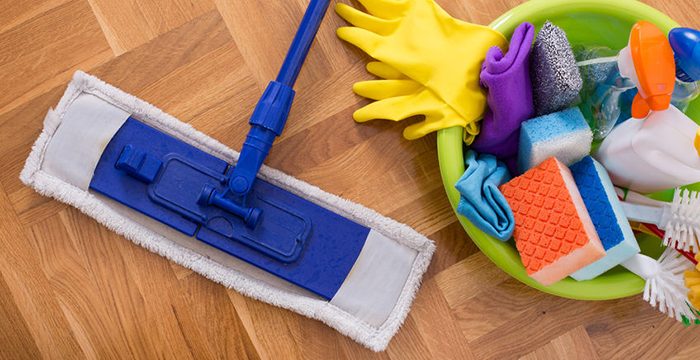 Ceramic tiles are often relatively simple to maintain clean, unless you use a Sponge mop, that's. The problem with them is that they'll push dirt and dirt into grout, that may be extremely tricky to escape again.
The way to clean grout
When grout does begin to seem a bit filthy, there is Something That is
Dilute down your bleach with Equal parts , then dip a toothbrush to the solution. Scrub in the grout, then leave for one hour, then wipe out with a clean, damp cloth.
Buy a universal cleaner
Nobody wants their cabinets cluttered with a huge number of cleaning solutions. Our Favored universal cleaner, Flash, not just smells inspired, but can make your flooring sparkling.
Unless your linoleum has been trapped using all the most powerful adhesive known to
A fast, 60-second sweep following ingestion will stop lost crumbs being Squished to the floor.
Where linoleum is worried, place cleaning is the best choice. Much like Laminate floors, which we will discuss later, maintaining the floor as dry as possible is paramount to prevent water damage.
Spot clean clogs with a microfiber cloth slightly dampened in warm, soapy water.
Carpet-cleaning hints
Pick up pet hair from carpeting
If our cozy best friends did not leave hair everywhere! Eliminate all Trace of creatures readily using a rubber glove to raise hair.
Pop the glove , and then wipe your hands over hair-covered regions to lift.
Use entry mats where possible & eliminate shoes
It seems clear, but preventing stains on carpeting is much, much simpler Than attempting to wash them blank. Invite the remainder of your home to make use of entry mats as a minimal, and eliminate shoes whenever possible.
Soda salt & water eliminate stains
To remove fresh stains, soda salt and water can be quite helpful.
A clean fabric in pop and apply into the stained region.
If the stain persists, catch some salt, and then scatter over the blot.
Have a look at our additional article for much more astonishing methods to utilize soda water.
Utilize castor cups to protect rugs
Castor cups are getting to be more and more common, and it is no wonder. We cover so Much for our beautiful rugs, it seems such a pity to destroy them with hefty chair legs.
Need to bother looking for indents from your carpeting again.
How Do I Protect My Floor From Water Damage?
- Details
- Category: Home improvement advices
Hardwood floors add to the charm and versatility of a house. Here are several suggestions for avoiding water damage to your hardwood floors given by waterproofing company in Cleveland, OH:
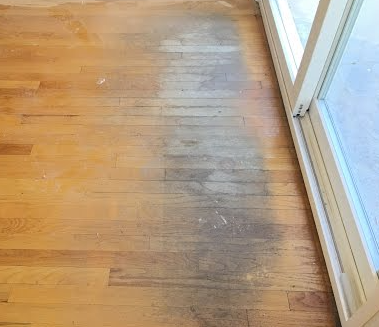 Excess water should be kept out of these areas. When it's raining, think of entryways, floors leading in from the pool, and stepping areas for drying off after a shower or bath.
Check the pipes that lead to the appliances once a year. At the first sign of a possible leak, replace or fix the pipe.
Fix roof damage and door seals now to get ahead of storm season.
When wet mopping wood floors, be cautious. Consider switching up the cleaning strategy or ensuring that the floor is totally dry once you're finished.
Don't use the humidifier excessively. Excess humidity can result in an excessive amount of water in the air.
What Happens If Your Hardwood Floor Gets Wet?
Each type of water damage necessitates a different approach to restoration. Water will affect the finish on your hardwood and cause the boards to expand if there is too much of it. It's important to act quickly if you find water damage in your home.
1) Thoroughly dry the field. To begin, soak up all measurable water. Then, to dry out the field, keep it well ventilated. Maintain a comfortable temperature by turning on the air conditioner, opening windows and doors near the area, and installing ceiling fans. If there is water damage nearby, switch on the kitchen and bathroom vents. Consider purchasing or renting fans to direct your attention to the field. It's possible that you'll need to employ a specialist to dry out your flooring. A moisture meter, dehumidifiers, and water extraction vacuums would be available to them.
2) Determine the root of the problem. Plumbing leaks, household appliance leaks, pipe damage, and tornado and hurricane damage are all common leaks. If you've found the leak, do whatever you can to stop it. To temporarily stop the leak, turn off the water to your home or the leaky appliance. If fixing the leak is beyond your home maintenance skills, consider hiring a leak repair specialist or a plumber.
3) Contact your homeowner's insurance provider. It's crucial to notify the homeowner's insurance provider about your claim. Fan rentals, complete repair, wood finish and sealing, and mold repair can all be protected depending on your policy.
If you didn't catch the water until it was too late and the damage was serious, your hardwood floor would almost certainly need to be replaced. Also, after water damage, be aware of the possibility of mold formation. Due to the high temperatures and humidity, mold growth is very common in Florida.
Can a Wood Deck Hold a Pool?
- Details
- Category: Home improvement advices
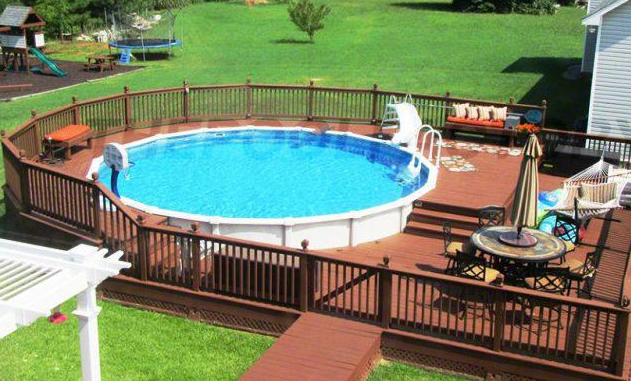 Pools are well known for being rough on the surrounding material. Pool decks are often thoroughly wet on a daily basis and are often exposed to chemicals used to protect the water in the pool. In the decking that you select, the ability to withstand these and other aspects of the pool environment is important.
As well as cracks and frost heaves during freeze/thaw cycles, both concrete and natural stone are subject to problems such as etching of the finish. This implies that every few years you're likely to need to fix or rebuild the patio of your pool to help preserve its functionality and beauty.
Pools come in all shapes and sizes, but your pool deck has to adapt to the pool itself, not just your yard or garden. When shaping them into distinctive lines of modern pools, items like concrete and pavers become hard and costly to cut and form. To ensure that they work well for a long time, they also need a lot of leveling, drainage and layering of setting materials.
These days, sustainability is a significant factor in every construction material. It's important to look at how it will affect not only the environment, but also the area surrounding its installation, no matter what you're constructing. Another sustainable aspect is that sustainable goods concentrate on longevity so they can outlast other substitutes and do not need regular replacement.
Although a natural material is stone pavers, they are far from sustainable. If the quarries are finished, new stone can not be manufactured, rendering stone a non-renewable source. Most of the stone is often quarried long distances from where it is placed, often outside the world, and must be transported at substantial cost; thus making the carbon footprint of stones very high.
You are also not only bringing in a flooring material when you are constructing a pool deck; you might even be building some other areas and accessories. Privacy walls, pool sheds, changing rooms, pergolas, shade overhangs and outdoor seating are also installed close to a pool to increase the area's enjoyment.
Many pools are used while the sun is beating down on the surface of both the pool and the deck during the hottest months of the year. Materials such as stone and concrete will also hold on to heat as you walk to and from the pool, getting hot and uncomfortable underfoot. When wet, these materials can also become very slippery, which is not recommended for pool decks and patios because it poses a serious risk of dropping. The course and abrasive surface just aggravate the problems arising from falling and losing one's footing.
It is necessary to bear in mind that for use on a pool deck, not all wood is suitable. To help protect it from the humidity of the pool, pressure treated wood needs staining or sealing on a regular basis. During the lifespan of your deck, this makes the material less sustainable and much more expensive.
Should My Countertops Match My Floors?
- Details
- Category: Home improvement advices
Follow kitchen design Cape Cod, MA tips below to build perfectly matched countertops, cabinets, and floors whether you're remodeling or building your kitchen or bathroom.
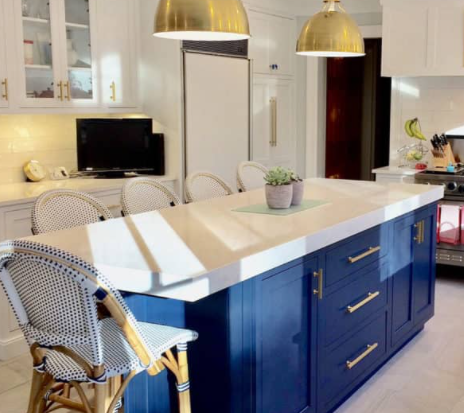 1: Pick Your Color Scheme
 Take some time to decide the color palette before you start thinking about the colors of particular elements in your room. If countertops, cabinets, and floors are the key elements in your space, we suggest choosing three primary colors, and one or two secondary accent colors. Common combinations of colors include:
White, grey, brown
White, blue, and tan
Grey, sand, and black
Once your primary color scheme has been selected, begin to imagine how and color will play in your room.
2: Pick Your Countertops
Experts in design believe that choosing your countertops is the next logical step in the design process. Quartz, marble, and granite are common materials, and they all come in a broad range of colors and patterns. How much you intend on cleaning them is the most important factor in selecting your countertop. If you have a dirty household and don't want to sweep the kitchen every day, it's easier to have dark countertops that hide dirt. If you love the look of white counters, however, but don't want to think about keeping them clean constantly, you can choose a white counter that has darker veins and patterns for a nice combination of dark and light coloring.
3: Pick Your Cabinets
Now that your counters have been picked, it's time for your cabinets to move on. Keep in mind that on your surrounding cabinets and your kitchen island, you don't have to pick the same color when dealing with a kitchen. In fact, many people choose an accent color for their island to break up the room. Bathrooms, on the other hand, usually have the same color in the cabinet. Although some homeowners stick to the classic whites and browns, cabinets have more recently become popular with lighter colors such as blues and oranges; all depends on your personal preference.
4: Your flooring is chosen
Although this is the final move on our list, you might have already picked a floor that you will use in the home if you are doing a complete house design or remodeling. In your kitchen, we suggest using the same flooring as you do in other rooms of your home; hardwood and similar-looking variants are common choices. You can get away with choosing a different tile or flooring option in bathrooms to customize the space entirely. Whichever type of flooring you select, make sure that the color is something you will be pleased with in the long run and that your lifestyle makes sense.
What Colors Make a Small Bathroom Look Bigger?
- Details
- Category: Home improvement advices
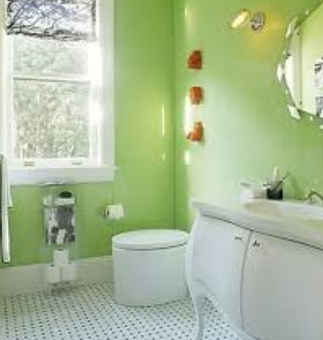 Light is a tricky thing, emphasizing and attracting our attention. Darkness deepens and generates dimensions in space. Dark colors of paint can't be as dark as shadows, though, unless you're really into that kind of stuff. As some light is reflected off the surface, you still see the darker colors of the paint. But it is a must to use them carefully.
 Use this concept when using lighter and darker colors for your bathroom painting project, as you look at how light plays off artifacts in nature and how shadows add depth and dimension. Ok, here's how.
Choosing your new scheme of color
Before you paint your bathroom, you will have to decide on a new color scheme. The best technique is to choose three colors that go well together in lighter and darker shades. Then pick a second color that is at least two shades lighter and a third that is two shades darker. Find a color you like. You may select lighter variations of the same color or, for some variation, choose three complementary colors. To generate dimension in the space, you can use the various shades of paint color to draw some walls or sections backward and some forward.
Build Dimension with Darker Colors
The majority of small bathrooms have a combination of a tub/shower. With a lot of light reflected off it, the tile is usually shiny. A great place to paint darker colors is the cove that occurs along the top of the bath or shower section. The darker color will build a new depth in the area, provided the contrasting light of the tub and tile surface highlights.
For the majority of the shower, use the Middle Shade Of Paint
The second color you have selected can be used in most bathrooms. The key background of the room will be created using this color.
On Trim & Molding, use the lightest color
People used to use a dark stain on trimwork and molding, but a more modern feel is created by lighter colors. You can paint the trim and molding in the bathroom using the lightest color of the ones you select. This provides a more reflective surface that draws focus, while a dimensional effect is produced by the medium and darker shades. Bear in mind that you don't have white or cream to stick with either! Choose choices that pick up small bits of all three colors of paint to create a seamless look while you choose decorations for the bathroom.
Should Flooring Go Under Dishwasher?
- Details
- Category: Home improvement advices
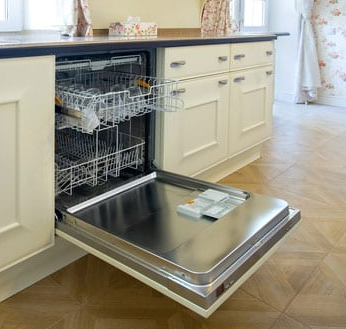 Should you put flooring under appliances, apart from above? The current cabinets/appliances are often not expected to be removed because they are in appropriate condition. Yet it also needs to repair the flooring. As noted earlier, it is possible to lay the flooring right up to the cabinets if you add thin flooring, such as luxury carpet, laminate, or tile.
 Similarly, do hardwood floors go under appliances, one may ask?
Under refrigerators and any other moveable appliance such as a range, the hardwood flooring should surely be installed.
There are adjustable legs or feet for dishwashers mounted below the countertop, similar to many refrigerators. Until sliding it into place, the legs allow you to lower the unit and lift it to align the face of the unit with the lower edge of the countertop. In a dishwasher recess, vinyl floors are usually mounted, while built-up flooring terminates along the front edge of the recess, such as tile and hardwood. It takes a bit of planning and experience of plumbing connections to install a dishwasher. A beginner needs to have the guidance of an experienced installer.
Preparation
In front of the recess in the cabinets, place the dishwasher on a piece of cardboard, with its back facing the recess. If a tile or hardwood floor is planned but not yet built, the cardboard is not required. Leave enough space in the recess to function. With a screwdriver, cut the access panel below the front door of the dishwasher.
From front to back, weigh one side of the dishwasher and add 2 inches. Notice the measurement. Use a 1-inch flat wood bit to rig a power drill. Measure the side of the sink cabinet from the front of the recess and mark the side of the recess at the measurement point. Measure up from the floor and 16 inches to make a corresponding mark. Drill out the hole at this position for the dishwasher drain hose.
Drill another 1-inch hole 6 inches below the hose hole to feed the water supply line of the copper tubing at the back of the dishwasher through the side of the recess to the water supply valve under the sink for attachment.
Measure up to the underside of the countertop at the front of the recess from the subfloor or flooring and subtract 1/2 inch for clearance. To adjust the legs on the dishwasher up or down as required for the 1/2-inch clearance, use an open-end wrench. Plug the dishwasher power cord into the electrical socket at the back of the recess wall. Insert, through the necessary holes at the side of the cabinet recess, the end of the drain hose and the end of the copper tubing water line. Ask an assistant as you drive the dishwasher into the recess to bring the hose and tubing into the sink drawer.
Installation Within
Open the doorway to the dishwasher. Align the attachment tabs with the cabinet's face frame on either side of the dishwasher recess on the outer sides of the dishwasher. To change the front legs, use the open-end wrench so that the top of the door is 1/4-inch from the underside of the countertop.
Mount the drill with a screw-tip extension. Connect the tabs with a 1-inch wood screw at the machined hole in each tab to the face frame on each side. Close the door of the dishwasher and hand-attach the panel to the front.
Slide a hose clamp under the sink cabinet to the end of the drain hose. On the side of the garbage disposal, tie the hose to the round nozzle and secure the clamp with a screwdriver. For now, when the disposal is not installed, secure the clamp on the hose.
At the end of the copper tubing water line, screw the fitting onto the smaller threaded nozzle at the supply valve for hot water. The sink faucet's supply line is attached to the wider nozzle of the dual supply valve. With an open-end screw, tighten the fitting.
Are Hardwood Stairs Dangerous?
- Details
- Category: Home improvement advices
One of the few downsides of hardwoods, especially on stairs, is that their smooth polished surface can be slippery.
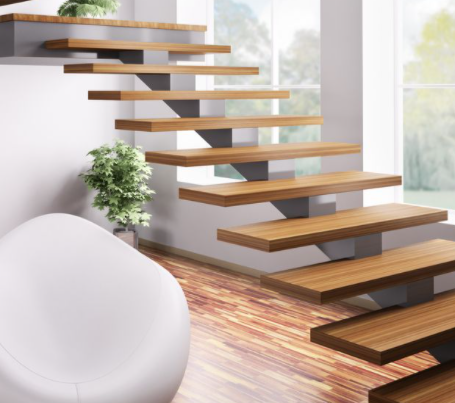 By adding carpet, anti-slip adhesive stair treads, or applying a coat of anti-slip floor finish to the surface of each step, the easiest way to make your hardwood stairs less slippery is to add traction. All three of these strategies make the surface of each stair rougher, add stability, and reduce the chance of slipping dramatically.
 No more than 7 3⁄4 inches tall should be any stair riser. Each staircase should be at least 10 inches deep and at least 36 inches high. Your handrail should be at least 1.5 inches high and clear of the wall, but not more than 4.5 inches, between 34 and 38 inches. For each staircase, you are expected to provide at least one handrail, but it is highly recommended to install handrails on both sides for additional support.
Here are the ways in which you can make your stairs less slippery and methods researched by cleaning service Sherborn, so that you can determine which one is right for you.
Carpet Installation
Carpet construction is one of the most common methods of making stairs less slippery. Not only does the carpet make the stairs smoother by providing surface traction, but it can also be a fun addition to your home's decor.
You have two choices, stair runners or carpet stair treads, when it comes to carpet.
Runners of Stairs
Stair runners are bits of carpet that run down your stairs, but each stair does not cover the entire width.
The benefits of stair runners are that they cover the full depth (not the width) of each stair tread, protect the wood from damage, minimize noise, look fantastic, and make your stairs less slippery, most importantly.
Stair Treads carpet
Your second choice is to use carpet stair treads, if you want to go the carpet route. Carpet stair treads are individual pieces of carpet that can be placed on each level separately.
The major advantage of Carpet Stair Tread over stair runners is that they are easy to mount.
Carpet treads are less costly and much simpler to clean than using a carpet. You can quickly remove the treads, clean the wood underneath and scrub or soak the treads in soap and water. Most significantly, the fibers of carpet treads provide stability if installed correctly and reduce the chance of slipping.
Using Stair Treads with Anti-Slip Adhesive
Look down the next time you are in the stairwell of a commercial building. To stop falling, you'll probably see thick black grip tape on each stairway. It would not be a good look for black tape on wood stairs, plus commercial treads have a rough sandpaper-like texture that would rip your feet off.
Apply the Floor Finish Anti-Slip
A liquid solution that you can add directly to your wood stairs to make them less slippery is the anti-slip floor finish. If you don't want to alter the appearance of your stairs by adding carpet or don't want to deal with the minor problems that clear adhesive stair treads present, using an anti-slip floor finish is an excellent choice.
Make certain that your stairs are up to code
On stairs that are old and no longer follow the building codes of today, incidents are more likely to happen. You're putting yourself and others in your home at risk if your stairs don't have enough depth or the gap between each stair is too big.
Can You Put Hardwood Floors Over Concrete?
- Details
- Category: Home improvement advices
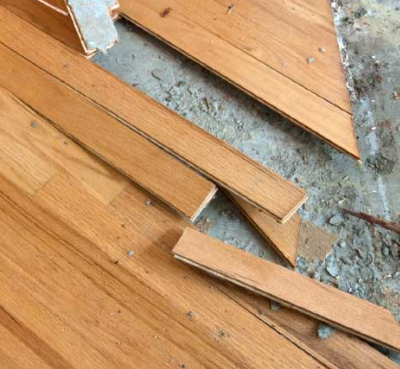 Checking Moisture
 Before they pour a concrete slab, builders usually lay down a vapor barrier. Concrete appears to wick water easily, and much of the moisture is kept back by the barrier. Try cutting a polyethylene plastic 12-inch-by-12-inch sheet and taping it to the slab. Make sure that the edges are covered completely with duct tape. For about 24 hours, leave the plastic in place. The plastic sheet should still be clear after that time. No water droplets or clouds that suggest the presence of moisture should be seen. You can add wood over the concrete slab, if the plastic is clear.
Barrier Moisture
You will need additional protection from water vapor before laying a wood floor, despite a good moisture check and the existence of an underground moisture barrier. One way of providing the moisture barrier is sheets of 6-mil thick polyethylene plastic, overlapped with taped seams. Paint the slab with a moisture sealant for a second choice. Home centers store a choice of brands of sealers as well as 6-mil plastic rolls.
Subfloor board
One installation technique is installing a subfloor over the concrete slab. Over the moisture barrier, create a subfloor with sheets of 3/4-inch pressure-treated plywood. Directly on top of the pressure-treated plywood, nail wood flooring planks. You may also lay down lengths over the moisture barrier of pressure-treated, 2-inch-by-4-inch studs. These studs, on top of which you nail sheets of 3/4-inch plywood, work similarly to floor joists. The studs hold the wood flooring planks farther away from the slab and reduce the quantity of wood that remains in immediate, continuous contact with concrete.
Adhesive
A second strategy for installation is to glue wood flooring planks to the slab. In this scenario, with a moisture sealant, paint a waterproof membrane over the slab, then add a specially prepared adhesive. At home centers and flooring stores, the glue is available. This adhesive dries quickly, which means you have to work quickly. With this strategy, you do not need to be nailed. Using a rubber mallet to tap the wood planks in place, which sets them into the adhesive and forces the tongue of one plank into the groove of another.
How do I Keep my Hardwood Floors from Shrinking?
- Details
- Category: Home improvement advices
Wood Selection
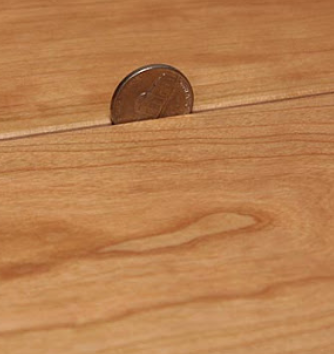 Various types of wood respond contrastingly to changes in dampness. The sum wood recoils or extends in light of changes in dampness is called solidness. When in doubt of thumb, woods with higher strength will make littler gaps in light of occasional changes. Woods like red oak, hard maple and white debris, for instance, are every now and again utilized as ground surface since they have great soundness. Some extraordinary hardwoods do have higher strength and may withstand changes better, however these woods are regularly restrictively costly contrasted with household hardwoods.
 Adapt the Wood
The dampness substance of the wood itself can prompt hole development. This occurs in one of two different ways. In the primary situation, your wood's dampness content is excessively high on conveyance. The ground surface gets installed and the wood keeps on drying. gaps show up as the drying procedure prompts shrinkage. In the subsequent situation, your wood is excessively dry on conveyance. The installed flooring ingests dampness and attempts to grow. Since the sheets were installed without gaps, the wood strands on either side get compacted under tension. This for all time harms the strands. At the point when the wood recoils because of occasional changes, the harmed filaments don't extend as far as possible. Once more, you end up with gaps.
Keep up Steady Humidity and Temperature
Have you at any point been to a house where the front entryway sticks in the mid year, however appears to work fine in the winter? That is the manner by which stickiness and temperature influence wood. Warmth and dampness cause the wood to extend. Cold and dry make it contract. Left unchecked, this procedure of development and constriction can harm wood so seriously you'll have to supplant it. At the less extraordinary finish of the range, you'll need to manage gaps.
Establishment
Establishment is one zone where you can apply significant control as far as forestalling gaps. In case you're utilizing built wood flooring, a visual assessment should make you aware of any observable defects in the wood. Each piece should, except for grain design, be practically indistinguishable. Put aside any pieces you see that look smaller than different sheets or that look distorted. These pieces can regularly be chopped down and utilized in less obvious regions, for example, storage room floors.
While little gaps in your hardwood floor are unavoidable, you can prepare for the most noticeably awful of them. Picking a wood with high dependability and littler widths naturally lessens shrinkage and extension. Permitting the wood time to adapt at the correct dampness and temperature implies it will be installed at a more steady dampness level. Taking consideration during establishment not to utilize harmed, distorted or inadequately estimated sheets causes you abstain from making gaps yourself. Keeping up that moistness and temperature will restrain occasional development and withdrawal.
Pool Decks
- Details
- Category: Home improvement advices
Here are few reasons explained by pool builders Columbus, OH why composite decking is conveying a marvelous blend of significant worth and execution for homeowners considering adding a pool to their open air living space.
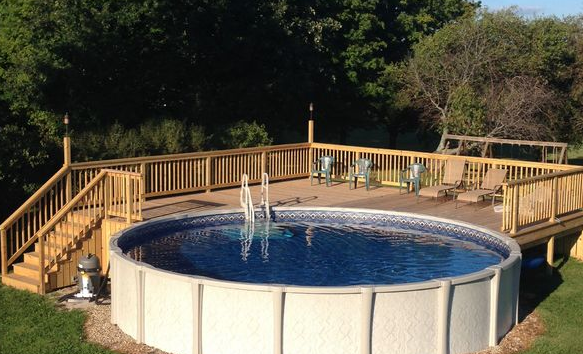 Worked in dampness opposition – Where there's a pool, there's well-suited to be water – a great deal of it. Made in Maine, duralife's one of a kind polypropylene and hardwood composite decking material highlights a co-expelled, topped surface that permits water to effortlessly deplete from its surface. This gives a more secure, drier surface brought about by downpour and sprinkle over from the pool and furthermore significantly lessens slow time of year harm brought about by development and withdrawal because of dampness assimilation and temperature variety. Dissimilar to conventional timber that must be normally recolored and painted to shield it from water harm and shape development, composite decking, for example, duralife's siesta and MVP are produced using a polypropylene composite material and a polypropylene top stock that are inactive and normally repulse water.
 More secure underneath – Another unintended peril that can happen poolside incorporates splinters and cuts from lopsided, shaky or endured surfaces. Dissimilar to conventional wood decking, utilizing composite decking around pools can give a smooth, clean surface for a long time with practically no support. A few composites, including duraLife decking additionally contain material fixings that convey bright (UV) beam opposition, decreasing the harm of delayed presentation to the sun. This permits composites to hold their smooth, splinter free surface any longer than conventional wood.
Cooler to the touch - While its generally realizes that more obscure hues both assimilate and hold heat vitality longer than lighter hues, particular kinds of materials are likewise more inclined to warm ingestion than others. For instance, composite decking made with polypropylene, including duraLife polypro decking, will for the most part keep up a surface temperature that is cooler underneath than other decking items made with polyethylene composite or PVC materials.
Composite Pool Decks: The "Look and Feel" of Wood, Only Better - Another ongoing advancement that homeowners who are thinking about whether to manufacture a composite pool deck ought to consider is the presentation of new composites that convey a significant number of indistinguishable attributes from genuine wood. Not exclusively are composite decking producers now ready to all the more precisely blend hues to emulate the vibe of hardwoods, for example, teak, mahogany, pecan and cherry, a few makers, for example, duraLife are utilizing exceptionally structured hardware to include a profoundly decorated (non-rehashing) wood grain that conveys brilliant footing, in any event, when wet.
Propelled Fastening Systems and Slip-Resistant Surfaces Are Foot-Friendly - Another motivation behind why composites are rapidly turning into the best deck decision for pools is a result of how the decking is appended to the casing. Propelled affixing frameworks, for example, the fastenator and progressive stepllip framework convey a deck surface that is liberated from any obvious screws or nails. This not just makes the deck particularly appealing, it additionally decreases the danger of injury caused from uncovered nails, screws or splinters.
Wood Paneling for Bathroom Walls
- Details
- Category: Home improvement advices
Two Tone Wall Panels
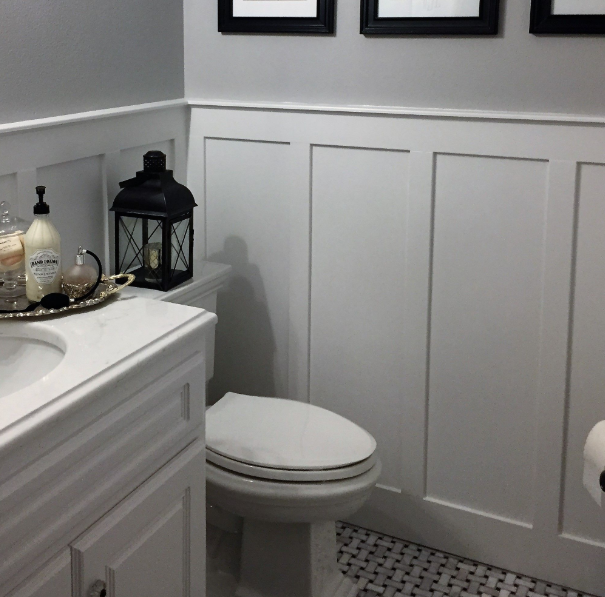 It might appear to be a gallant decision to style your bathroom utilizing dull hues. wall panels offer a chance to enjoy dull hues just in part. You can see how dull walls joined with white wall panels give a bathroom a rich, top of the line look.
 Nonpartisan Wall Panels
In the event that bouncing to boundaries isn't something you need to do presently yet at the same time need a tad of shading in your bathroom, unbiased alternatives might be the best approach. Impartial can be anything from pastel hues, we discover greenish blue functions admirably in the bathroom, to grays and whites.
Get enlivened by taking a gander at how you can either paint the walls or finish wall panels in shading. In the event that you need to keep it straightforward and stay away from much shading you can condition your walls in dim and leave the panels white. This will wind up looking similarly as quiet and reviving as pastels hues.
Wall Panels and Wallpaper
Wall panels and wallpaper are inclining and this is on the grounds that it's an easy method to make a spot look conventional, advanced and current. Including wallpaper and getting the shading from any semblance of tiling and shower draperies is a straightforward method to finish a bathroom. Occupied examples are not, at this point antiquated and dull hues give the walls a visual development of the space.
In the event that you completely love wallpaper, at that point wall panels are the hero of this plan to ensure it doesn't needless excess the bathroom with a bustling themes. In our rousing examples you can perceive how you can elegantly coordinate wall panels with wallpaper and tiles. Such rich blend of surface and example will consistently be an impression of character and a one of a kind and individual touch in inside structure.
Wall Panels and Tile
This is an interesting enhancing highlight you don't see a ton. Introducing wall panels with a line of tiling on head of it is a sensitive method to add an individual touch to the room. The tiles can be of an impartial shading to give you adaptability should you wish to change the shade of your walls later on.
Contingent upon what look you need to accomplish accordingly, tiles will add to a seaside look particularly when joined with beaded wall panels. The intelligent impact of the tiles will get the light and include a smidgen of style and fun loving nature to the room.
All White Wall Panels
In case you're endeavoring towards straightforwardness and moderation, we incorporated a lot of pictures to grandstand how you can consolidate white walls and wall panels so as to accomplish a trendy and lavish structure. White on white from the outset may appear to be an exhausting thought however in the event that you take a gander at how you can include contributing components like a bona fide towel rack or a wooden entryway where the possibility of toning it down would be ideal becomes possibly the most important factor.
Paneling a bathroom will permit you to bind together the bathroom style into a durable and coordinating structure. wall panels will go about as an alleviation in places where there is an excess of shading or design or as a highlighting highlight where you need to flaunt a focal point. Remember that paneling can be introduced at any stature mulling over apparatuses, windows and other plan components of the room.
How Can I Protect My Hardwood Floors In The Kitchen?
- Details
- Category: Home improvement advices
On the off chance that you shield your floors from harms like scratches and dampness, you've won a large portion of the fight. Here are a couple of simple things you can do suggested by kitchen design Leigh High Valley, PA to ensure your hardwood investment.
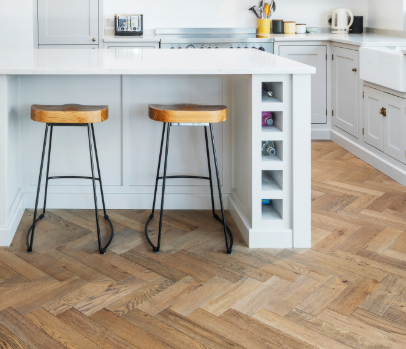 Install floor protector pads on the base of all furniture legs before they are set on the wood floors.
 Mats trap coarseness and dampness before they get an opportunity to harm your floors. On the off chance that your floors are new and were done nearby, be certain not to put down any mats for in any event 21 days after the completion was applied. Site applied completions need time to fix appropriately before they are secured by mats.
Shake out and completely perfect and dry floor coverings when they get wet.
This will be generally significant during wet climate or in the winter when day off ice come in with us from outside.
Be careful of the utilization of non-slide cushions under your floor coverings. A portion of these can engrave their example on the completion of your wood floor.
Trim your pet's nails routinely. Our hairy companions can do a ton of harm to our hardwood floors.
Wipe up any spills quickly so they don't get an opportunity to get among sheets and under the floor.
Use container under pruned house plants and be mindful so as not to spill water that can be caught under the plant.
Regular Cleaning:
Clearing, vacuuming, as well as residue wiping your floors normally will shield coarseness and soil from amassing and being followed over the floor, where it can cause scratches. Make certain to just utilize a vacuum that has a setting for wood floors.
In the event that your floors accompany a plant finish, counsel the maker's suggestions for the correct cleaning items to utilize. Not all completions are the equivalent, despite the fact that your neighbor gets great outcomes with one cleaning item, it may not be the correct one for your floor.
Step away from the oil cleanser! Grandmother may depend on it, however most guarantees from finish producers are voided by the utilization of oil cleanser cleaners. In the event that you don't have a clue about the specific completion you have on your floors, counsel a nearby wood flooring proficient to buy a quality cleaning arrangement.
Past being an excellent expansion to your home, wood floors improve your resale value.
Bathroom Tiles Or Wood Floor?
- Details
- Category: Home improvement advices
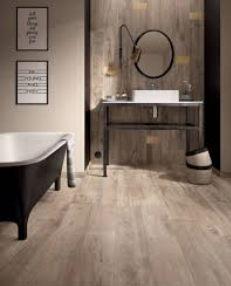 It's Long Lasting
 Hardwood is one of the longest enduring materials out there. At the point when fixed appropriately with cements it can discourage water spills and dampness ingestion from the air. With hydrophobic covering you'll ensure the respectability of the wood, which means it can keep going for quite a long time without enduring any harm. We suggest utilizing at any rate three-layered wood floors to guarantee you have a durable base to stroll on.
It's Practical
Nothing says handy like a strong section of wood and this is the same in the restroom. At the point when you are doing remodels on your home it is considerably more financially savvy to fix or repurpose what you have than supplanting it. Wood can generally be stripped and revamped, however with the correct sealants that doesn't need to happen regularly. Tile, then again, can't be revamped and should be totally uncovered and supplanted in the event that it is broken throughout the years.
In case you're taking a gander at the common sense of materials over the long haul, it's smarter to pick a material you can work with again and again.
Tile floors are additionally a lot stronger than wooden ones. Since restrooms as of now increment the measure of reverberation, you can limit commotion by introducing wooden floors as opposed to tiles.
You are likewise less inclined to slip on wood than tile, and you won't have sudden virus spots, settling on it a more secure decision. Slipping in the washroom is a main danger of family unit injury, so it's ideal to limit this hazard particularly for the old.
It Looks Great
Except if you are going for an Old Spanish Grotto or Italian Palace look, you likely have wooden floors in any event part of your home. It is substantially more tastefully satisfying to have one material or slight varieties of comparative materials reliably all through the structure. By placing wooden ground surface in your restroom, you're ready to keep the general style of the house all through. Furthermore, with a huge scope of hues and forming methods, you can utilize wood in your restroom to go with any stylistic layout.
Wood is additionally a lot simpler to clean than tiles, which will in general rapidly look grimy even soon after wiping. Wooden floors can be cleaned with a straightforward compass and splash of vinegar and water, rather than costly grout cleaners required for tile.
Advantages and Drawbacks of Hardwood Flooring in a Bathroom
- Details
- Category: Home improvement advices
In opposition to mainstream thinking, utilizing hardwood flooring in a washroom offers significant preferences, despite the fact that it isn't the best deck alternative for restrooms, individuals will in general use it on account of the accompanying reasons explained by bathroom remodeling Woodbury, MN:
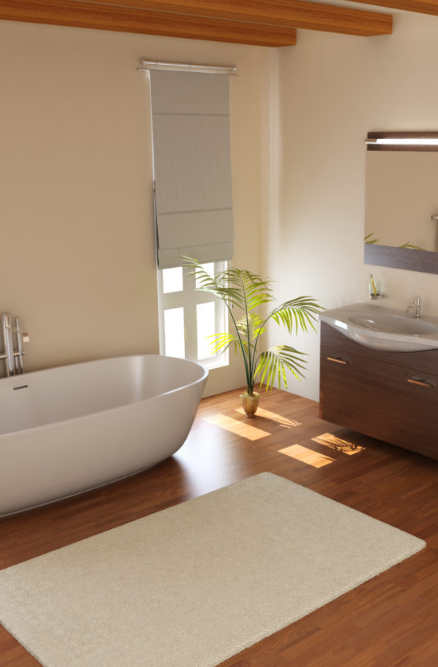 Aesthetic Look and Feel
Maybe the most noteworthy advantage of utilizing hardwood flooring in a restroom has to do with how delightful it looks. Let's be honest; we need hardwood floors in practically all different pieces of our homes, so why avoid the restroom?
Life span
Designed hardwood flooring isn't as strong as the first hardwood flooring yet it is picking up prominence nowadays due to its low support and cost.
Warmth
Dissimilar to artistic tiles that can be extensively cold in the winter, hardwood is hotter and increasingly agreeable to stroll on shoeless. Since a restroom is one spot where you are bound to be shoeless, it bodes well for you to utilize hardwood flooring in it.
Floor Slope
Gravity can be a noteworthy impediment when you're managing a hardwood floor in a restroom. In the event that the restroom floor isn't totally level, you will see water spilling out of the higher to the lower zones and collecting there, regardless of whether there is a channel in the lower zone, there would be some water simply staying there till it is cleaned dry.
Form and Mildew
Form and buildup develop in wet conditions, making any washroom vulnerable to these issues, on the off chance that you have ever needed to manage them, you realize that they feed on common natural materials. So utilizing hardwood flooring in a restroom will, at some point or another, compel you to manage shape and mold.
Substance Staining
You utilize a few sorts of chemicals, cleansers, and other body prepping items in the washroom. Every one of these items contains synthetics, some of which might just be marginally acidic, when these items spill on the hardwood floor, they will harm the defensive completing and in the long run cause perpetual stains.
High Humidity
If you somehow happened to choose one piece of your home as the most muggy, it would in all likelihood be your restroom, while the vast majority proactively deal with spilled water, they only here and there center around actualizing measures to diminish the degree of dampness.
For those of you whose restrooms are not appropriately ventilated, you should be acquainted with the hot haze on the mirror, the entirety of that sodden and warm air doesn't simply choose the mirror. It fills each split and enters small spaces, including the holes between neighboring boards.
No Moisture Barrier
Most of hardwood floors are introduced legitimately on the subfloor by nailing the boards, so you can bid farewell to the conventional fume obstruction in light of the fact that the nails would cut it. How could that be terrible, you might be pondering, admirably, it leaves the subfloor and underlayment presented to any dampness that may leak down the hardwood surface. Step by step, the absence of any dampness hindrance will prompt disintegration of the auxiliary uprightness of the establishment.
Spills and Splashes
Spilling and sprinkling water on to the washroom floor is increasingly a matter of "when" than "if." And it turns out to be a serious incessant problem when there are kids in the family. We aren't discussing the shower or bath zone just, yet additionally close to the sink, something as basic as washing your face could send water beads spilling onto the floor underneath.
Incidental Flooding
A restroom is one spot in a home that is inclined to flooding, because of the few pipes apparatuses required for it to work. It isn't inconceivable that a funnel begins to spill or an apparatus glitches in a washroom, having a hardwood floor would just exacerbate the issue for you.
As a general guideline, you ought to supplant old funnels and plumbing installations before introducing hardwood flooring in a washroom.
Is Wood Floor In Bathroom A Good Idea?
- Details
- Category: Home improvement advices
This is presumably one of the most discussed subjects with regards to hardwood floors. The greatest issue the vast majority have with introducing hardwood floors in restrooms is that there is an a lot higher danger of floor decay, distorting and measuring.
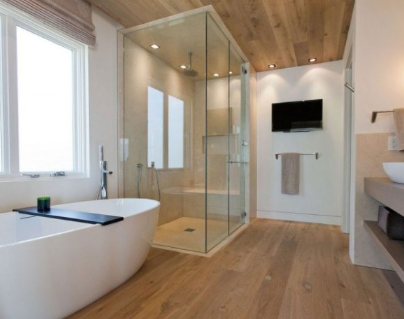 What causes this hazard? Water in your bathroom! There are pipes hurrying to your sink, can and shower or tub. All of those channels is a potential spot for a hole to spring. The fixture in the sink, the latrine and the tub itself additionally present hazard to spilling.
 While you can get harm from a release in any event, when you are home, the most serious threat is the point at which you are away. A hole in the fixture or latrine can transform into a flood in the bathroom, or more regrettable, whenever given sufficient opportunity.
By making great protection strides, you can in any event help lessen the danger of such an occasion. How about we investigate the most significant part of putting a hardwood floor in a bathroom, the completion.
The principal sort of ground surface we will take a gander at is designed hardwood flooring. This is likewise called prefinished hardwood flooring. The idea driving this sort is that the boards are totally sliced to a standard size and the completion is concerned them before they transport. You haul the boards out of the case, slice the finishes off to estimate varying and simply thud them directly set up. It's somewhat more confounded than that however at long last, your floor is somewhat quicker to introduce.
Another sort of hardwood ground surface to consider for a bathroom is common hardwood flooring. In this case, you do a similar cutting and putting of the boards yet this time you need to apply the completion yourself.
Experts in the deck business generally express that common hardwood flooring is the best approach when introducing it into a restroom. For what reason do you guess that is?
In a bathroom situation, this makes an ideal spot for water to get between and cause a wide range of issue. First on the rundown is that it will jump on the establishment flooring and after some time cause it to decay out. The floor will get extremely supple and could prompt it falling out. Not something you need to play with!
A reward to the fixing properties of the polyurethane, you can likewise add a surface to the floor to help make it less elusive when it gets wet. Simply be mindful so as not to add to a significant part of the finishing. It can begin to hurt exposed feet when it's strolled on if there is excessively. Normally a fine sand it utilized in this application.
It is suggested that you clear a hardwood floor each day. How about we be not kidding however, relatively few individuals have the opportunity to do that. In my home, I attempt to ensure I clear the floors each end of the week.
Each and every other end of the week, I set aside the effort to do a light cleaning. Just take 1 cup of vinegar and add it to a container loaded with water. 2 gallons at any rate. Get the mop just somewhat sodden and wipe the floor down creation sure to get the intense to arrive at territories. Those harder to arrive at zones are the place the most probable spots for floor issues happen.
Ideas For Homemade Floor Cleaners
- Details
- Category: Home improvement advices
Employing a vacuum cleaner when cleaning your flooring Dramatically contributes to indoor air pollution, which may be a huge problem for people who suffer from allergies or asthma. They also leave poisonous residue behind, which may cause additional harmful health conditions, creating your family sick. Making homemade flooring cleaners aren't only safer, but they're comparatively cheap to make.
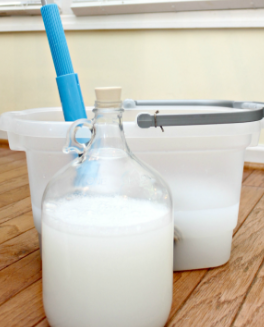 There are a lot of reasons why creating a home made floor cleaner like maid service New Bedford, MA suggest is a fantastic idea. Not only can it be better for your environment, but it's safer for the loved ones. Employing some basic ingredients which you may find in your own kitchen, you may earn a cleaner to handle even the roughest of messes without even leaving harsh substances behind.
This cleaner will operate on each hard flooring surface on your home. You may also use it on granite and marble. It is a highly effective cleaner for cutting grime and leaves a stunning shine.
Blend the ingredients in a big bowl. Add them into a glass or plastic spray You could even blend the ingredients in a skillet, but you are going to need to ditch any leftovers as soon as you've finished cleaning the ground.
Note: Do not swap castile soap to the liquid Dish soap since it's an oil-based soap.
Employing castile soap will Wind up leaving the floor filled with smears and streaks.
The timber floors in your house can become pretty cluttered. Along with a mop to wash your floors every day. If your timber floor is dirty, you can use this recipe to have it clean. This formulation does dual duty because it beams your flooring , leaving them with a gorgeous natural sheen.
Utilizing a mop which you have completely wrung Out, use the solution for your flooring. The warm water and the lemon juice wash the flooring, while the olive oil functions to soften them. You do not have to wash the solution when you have completed, once it is dry your flooring will look good.
Greatest Disinfecting Floor Cleaner
For the flooring that require regular disinfecting and heavy cleaning, like your own Baths and shower, this is a terrific home made bathroom cleaner which does a wonderful job of disinfecting. The recipe uses borax, which can you can buy at the regional grocery store, at the laundry aisle or on the internet.
At a mop bucket, combine the water and Borax. Borax. Dip a mop in the skillet and then wash down your flooring. Borax is very good for cleaning up the grossest of messes.
Laminate floors is relatively simple to Look after, but sometimes you Might want to wash a mess which needs somewhat more cleaning power. This homemade laminate flooring cleaner can clean your laminate flooring without damaging them.
Mix the ingredients in a skillet or spray bottle. Using A wash mop, soak it from the remedy and wash your laminate flooring . There's not any need to wash off the mixture.
With the cleanser, then wiping it off using a mop. You are going to Have to wash your mop In the sink a few days when it becomes cluttered, but this way you won't need To throw away any leftover solution.
Hardwood Floor In Kitchen Bad Idea
- Details
- Category: Home improvement advices
However, is introducing hardwood flooring in the kitchen an ill-conceived notion? With all the spills and dropping of substantial utensils, is all the upheaval that occurs in the kitchen a lot for hardwood to deal with before it rapidly gets exhausted and demolished?
In all actuality, hardwood is exceptionally solid, it can withstand a long time of substantial use, it's low-support, and it's even dampness safe on the off chance that you go with a pre-completed choice. As per home remodel company Cincinnati, OH explains, in the event that you have an open floor plan, hardwood can permit you to have an increasingly consistent stream without slashing the space up with various sorts of deck in various territories of the space.
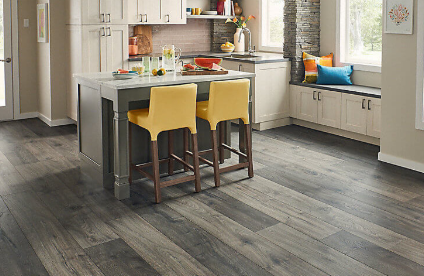 Contemplations to Make Before Choosing Your Kitchen's Hardwood Floor
 It's not hard to track down a hardwood that you'll discover appealing. Notwithstanding, specific sorts of hardwood are better left for different regions of the home beside the kitchen. Here are a few interesting points before picking hardwood flooring for your kitchen.
Surface. Matured hardwood will accompany more scores, gaps, sections, and edge marks. This look can be emulated with new wood boards through an assortment of systems, similar to hand-scratching, babbling, and wire-brushing. Much like wood species that are increasingly grainy in appearance, wood that is substantially more finished settles on a perfect decision for a kitchen, instead of a smooth completion.
Sheen. From matte to reflexive, you can pick the degree of sheen for your kitchen's hardwood. Remember that the glossier you go, the more effectively residue, spills, and scratches will appear.
Shading. Hardwood comes in a wide range of hues and shades. You can go as light as fair to as dim as dark. Darker shades will in general have a similar impact as serious shine completes with regards to indicating flaws, so mull over that while picking the shading for your kitchen's hardwood.
Sort of establishment. Coasting "click" hardwood floor boards are easy to introduce. Harmed sheets can be effectively supplanted, which is perfect in a room that puts a great deal of weight on the floors.
Designed Hardwood – An Ideal Choice For Kitchen Spaces
Hardwood flooring essentially comes in two structures: strong wood and designed wood. Strong wood will in general be increasingly defenseless against dampness and dampness, and shouldn't be introduced in clammy regions, which is something you consider for your kitchen flooring.
The Bottom Line
Hardwood ground surface can totally be a lovely expansion to your kitchen. Contingent upon the sort you select, your hardwood can be similarly as strong as some other kind of material. While hardwood is impervious to being dated in a brief timeframe, you can without much of a stretch give it a new gander sooner or later by resurfacing and recoloring it on the off chance that you so pick. On the off chance that you go with the correct kind of hardwood regarding surface, shading, and grain, you'll be totally happy with the ultimate result.
How to Protect Wood Floors from Dog Urine
- Details
- Category: Home improvement advices
You'll locate various proposals for home pet pee cures on pet sites around the Internet, however dog training Pittsburgh chose strategy that numerous homeowners depend on, and one that is destined to help your circumstance without harming your floors.
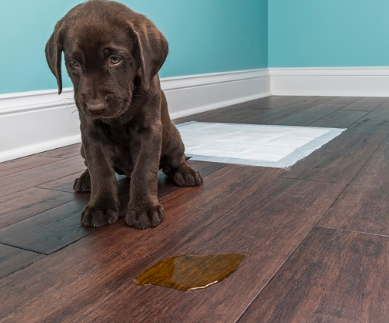 Clean Excess Pet Urine Immediately
 When you see the mishap site, get the paper towels. Consistently tallies! Lay paper towels over the spot and let the pee absorb normally—don't endeavor to wipe it as you could really work more pee into the wood pores. When the underlying spill is up, continue blotching the zone tenderly with paper towels until no more dampness shows up on them.
Sprinkle with Baking Soda
Preparing soft drink is a great normal deodorizer just as an absorptive operator. When you've gotten up however much of the chaos as could reasonably be expected, sprinkle a liberal measure of heating soft drink over the influenced region to assimilate and freshen up any staying pet pee. Ensure the whole zone is secured with space to save. Leave the preparing soft drink medium-term to assimilate the abundance pee.
Vacuum the Mess
Subsequent to letting the preparing soft drink sit medium-term, cautiously vacuum up the heating soft drink utilizing a wood-safe connection. Try not to utilize anything with solid brushes or a mixer, as these could scratch the floor.
Deodorizing the Area
When you've cleaned the pet pee, the following test is lifting any waiting scents. Not exclusively will it emit an upsetting smell (particularly in warm climate), yet once a pet has "denoted" that zone, the fragrance may naturally cause him/her to utilize the space once more.
How to Clean Wood Flooring
- Details
- Category: Home improvement advices
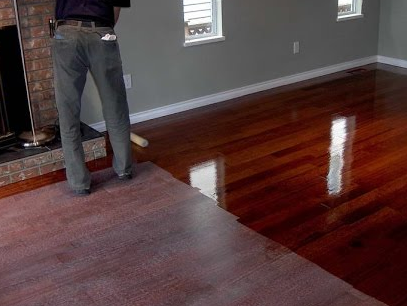 Every day Schedule – Dust/Sweep
 Giving your floors a decent cleaning with a microfiber mop or fabric will be your best every day resistance against scratches and surface harm. Microfiber cleaning cushions regularly utilize electricity produced via friction to trap soil, particles, and other family unit allergens. Utilizing a floor brush is alright, however it just pushes the earth around. At the point when you need to best clean hardwood floors without harming them, abstain from lifting your microfiber mop up off the floor when you clean—along these lines you keep the soil caught on the cushion.
Week by week Schedule – Vacuum/Mop
Week by week upkeep will manage hard to arrive at territories. Vacuums and wet mops are perfect for getting soil in the clear zones like corners and the spaces between hardwood. Be that as it may, utilizing vacuums and wipes accompany additional alert. In the event that your vacuum has a mixer bar, ensure it doesn't hit the floor. Additionally, the wheels on a vacuum may harm the floor. In case you're utilizing a mop, recall that water and wood don't blend! Keep away from abundance fluid on your floor. Softly clouding your floor with a characteristic hardwood floor cleaner is the most ideal approach to clean hardwood floors.
Month to month Schedule - Polish
Including a finish routine is another best practice for cleaning wood floors. Finishing floors reestablishes and revives the completion that secures hardwood. Finishing your hardwood floor fills in minuscule scratches and levels out a story's defensive surface. Finishing hardwood floors is a simple method to include life, magnificence and additional insurance to your floors. Contingent upon the measure of traffic in your home, we prescribe cleaning the floors each 2-3 months.
Yearly Schedule - Sand and Finish
Consider revamping your floors each 3-5 years. Revamping your floors expels the old defensive completion and replaces it. On the off chance that your floor has some profound scratches or gouges, sanding and restoring can fix this harm, leaving you with faultlessly clean hardwood flooring.
Where to Position CCTV Cameras Home
- Details
- Category: Home improvement advices
 Best Places To Install Indoor Home Security Cameras
 In a perfect world, thieves don't get in your home, however on the off chance that they do, you need to ensure you can catch them plainly for proof. Here are the best places to introduce indoor surveillance cameras in your home.
Family room Or Kitchen
Put surveillance cameras in any regular spaces on the ground floor, similar to your lounge room, lounge area or even kitchen. These rooms are difficult to abstain from, improving the probability that you'll have the option to catch film of thieves. It's likewise valuable to introduce surveillance cameras in like manner spaces in the event that you need to address or see your children remotely!
Principle Hallway Or Stairs
Once more, a principle lobby or staircase is a territory that the robber in all likelihood should go through. Likewise, putting a camera on stairs is a simple method to follow criminals all through your home without placing a surveillance camera in your room, as that raises protection issues (yet more on this later).
Close to Front Door
Criminals need to get in some way or another, and it will probably be through an entryway or window. Despite the fact that it might appear to be excessively self-evident, ensure your front entryway is secured by a shrewd surveillance camera.
Tips For Installing Indoor Security Cameras
Since you realize where to introduce your indoor surveillance cameras, I have a couple of rules for how to take advantage of every camera:
Corners: If you put your camera in a corner, at that point you'll get the most extensive conceivable field of view, which means you can purchase less cameras and spare some well deserved mixture.
Stay away from windows or glass: Glass' appearance can make your recording watch cleaned out, so attempt to abstain from pointing your camera towards any common light source.
Hold control under wraps: If your camera is plug in, you should ensure that the rope is sufficiently long to arrive at the outlet before you mount your camera. Additionally, if your camera has a center, ensure your camera is inside its range.
Best Places To Install Outdoor Home Security Cameras
Introducing open air surveillance cameras can be somewhat trickier. Obviously, you need to cover your property without encroaching on your neighbor's spaces or getting a lot of the road, as that could prompt pointless notices. Here are the best places to introduce your outside surveillance cameras.
How to Clean Old Damaged Wood Floors
- Details
- Category: Home improvement advices
Grimy wood floors aren't just unclean, yet can be harming to the wood itself, which is costly to fix, resurface, or even from a pessimistic standpoint, supplant.
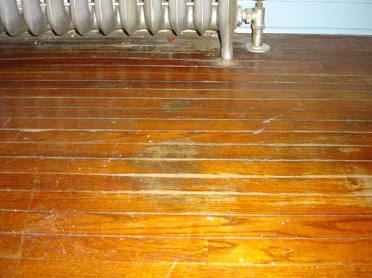 There is extremely a most ideal approach to clean wood floors suggested by cleaning services Haverhill, MA. It relies upon your needs just as your way of life. Different sorts of wood flooring, regardless of whether strong wood, overlay, or composite, may should be kept up in an unexpected way. This applies to how these surfaces are cleaned just as the items used to look after them.
 To start with, put resources into the correct cleaning devices
The most ideal approach to clean hardwood floors is to utilize a microfiber residue mop to expel residue, soil, and whatever different particles were brought into your home. The microfiber residue mop won't scratch your floors as certain vacuums may.
Step by step instructions to clean wood floors normally
Vinegar is the best cleaner for hardwood floors, and it likewise happens to be common, safe, and economical. Witulski recommends making an answer by blending a quarter cup of apple juice vinegar with a gallon of warm water.
In the event that you don't have apple juice vinegar available, then again you can include a large portion of some white vinegar to a gallon of water to clean any sort of floor. In the event that you don't care for the fragrance of vinegar, simply include a couple of drops of basic oil to veil the smell.
Utilizing this DIY arrangement cleans your floors altogether, but on the other hand it's safe for individuals, pets, and kids. Another reward of cleaning wood floors with apple juice vinegar and water is that it doesn't leave a film or require flushing like many locally acquired or concoction based cleaning items. This can likewise be a decent timesaver.
Beginning by tidying the surface to evacuate any residue particles, at that point fill a basin with the custom made vinegar arrangement. From that point forward, utilize a level mop with a microfiber spread, dunk it into the water blend and start cleaning. As you clean, it's critical to recall never to get wood floors too wet since it can expel the completion or conceivably cause distorting or decay.
Remember that completed wood floors don't really should be cleaned with vinegar. You can utilize water just, however be cautious that an excessive amount of doesn't leak in or it can evacuate the completion.
The most effective method to clean wood floors without water
It requires zero washing and it likewise won't leave a clingy buildup. The shower splash style spout additionally makes the item simple to apportion—no puddles or pooling. This enables you to control the sum you use, so nothing will go to squander. Another reward is the new, natural aroma.
Tips for keeping wood floors clean
Wood ground surface can go from shining clean to totally tarnished in merely seconds. A spill, a couple of sloppy shoes, or even a grimy canine that comes surging into the house can all of a sudden become an incredible aggravation.
Step by step instructions to clean unlocked hardwood floors
Unlocked wood floors are not quite the same as completed hardwood floors since water can be effectively assimilated through the wood, greaterly affecting the life and state of the ground surface.
Roof and Floor Trusses
- Details
- Category: Home improvement advices
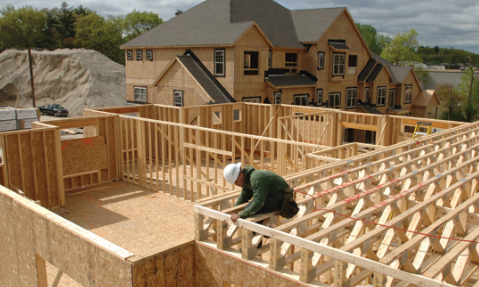 Roof and floor supports are worked in an assembling plant to correct details, which means they cost less and spare work in the field contrasted with the proportional standard encircling timber. Since they are built, brackets can bolster more weight over longer ranges too.
 Notwithstanding the cost sparing related with utilizing brackets, an opportunity to assemble a roof framework can be chopped down from as long as seven days on a perplexing roof utilizing standard timber down to a day to introduce the supports for a similar roof framework. This outcomes in lower work costs for the developer that can be passed on to the homebuyer. It likewise abbreviates the measure of time it takes to finish a home, which makes it simpler for creation manufacturers to fulfill shutting time constraints and enables purchasers to move into their homes sooner.
The nature of the wood utilized in brackets is equivalent to standard confining timber and the support assembling organizations are typically open to making custom supports for pretty much any circumstance.
There are a couple of circumstances, for example, some church roofs that might be simpler to work with standard encircling wood, for example, 2×10's, so some custom homebuilders still form their roof frameworks the customary way. In any case, most creation manufacturers use supports to set aside time and cash and guarantee a quality item for their homebuyers.
Solid Hardwood and Engineered Hardwood Flooring
- Details
- Category: Home improvement advices
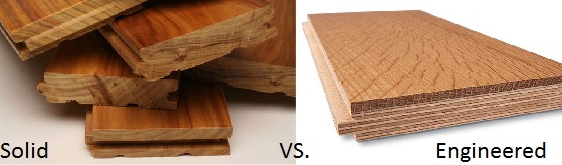 Cost
Cost There is no complete expense for either type, the value range fluctuates significantly. The expense of engineered hardwood is for the most part $3 to $14 per square foot, however this cost will rely upon board thickness and wood species. Contingent upon the hardness and toughness of the wood, most solid hardwood floors cost somewhere in the range of $8 and $15 per square foot.
Establishment
Built hardwood can be introduced quick and in a wide range of spaces. This alternative is your best decision in case you're searching for a do-it-without anyone else's help venture. Most styles of built wood can be stuck or nailed down. Truth be told, sometimes, like cover flooring, you can settle on a kind that bolts the boards together without latches.
solid hardwoods for the most part have a more extended establishment process; the ground surface is appended with a particular deck nailer at that point sanded and wrapped up. This sanding procedure can be hard to explore on the off chance that you don't have understanding, and in spite of the fact that you can do it without anyone's help, procuring an expert will take care of business a lot snappier and neater!
Soundness and Durability
In extraordinary temperatures, built woods have more noteworthy auxiliary steadiness, which offers better obstruction against clasping. While this is certainly an advantage, the toughness of built wood isn't similar to solid structures, predominantly on the grounds that the surfaces on these engineered sorts are very slim and along these lines inclined to chips after some time.
Dampness Resistance
solid hardwood floors are not recommendable in any territories where dampness is common. This implies it's most likely best to stay away from solid woods for your restroom or any territories which require ordinary wiping. Indeed, even still, solid hardwood can in any case oppose dampness somewhat, however this will rely upon whether the wood is pre-completed or site-wrapped up. Site-completed wood has a fixed top layer which retains some dampness.
Natural Considerations
The vast majority need to help items that continue a positive ecological methodology. As a rule, built hardwood floors are more eco-accommodating than solid wood. The assembling procedure for built wood is less inefficient and requires less vitality than most other ground surface sorts. In any case, it is not necessarily the case that choosing solid hardwood is certainly not a maintainable alternative.
Hardwood Floors Cleaning Routine
- Details
- Category: Home improvement advices
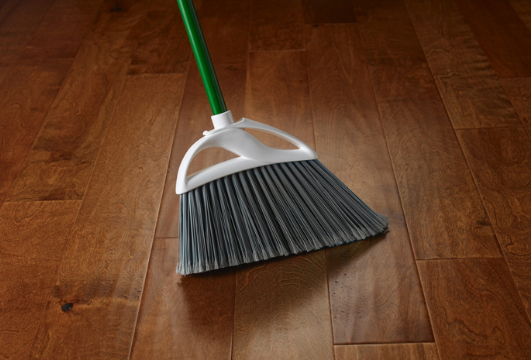 Dust Daily
This is one of the most thought little of and simple strides all the while. Residue day by day to keep residue and soil off the floor. This will forestall scratching and expand the magnificence and life of your floor. Every day residue cleaning will fundamentally diminish allergens in the home. More compelling than customary techniques, a microfiber material uses a static charge to pull in more residue and allergens. These littler strands venture into floor pores to lift earth all the more successfully.
Clean Weekly
There's a correct method to clean floors, and there's an incorrect way. An excessive amount of fluid can harm floors, while the off-base equation may not work. Search for pH-nonpartisan, nontoxic and biodegradable recipes to clean successfully and guard your home and condition. Vinegar, for instance, can consume complete, notwithstanding when weakened with water. Utilize a launderable microfiber cushion which will evacuate microbes and keep waste out of landfills.
Clean Quarterly
Use water-based shines to reestablish brilliance and sparkle each a few months. These shines won't leave a buildup or produce hurtful poisons, in addition to they'll avert over cleaning and depriving of your floor. Solid, urethane-based shines have quick dry occasions, no waxy development and a defensive wear layer to fill in smaller scale scratches and even out the presence of the floor.
Tips.
Abstain from utilizing water and vinegar, cleanser based cleaners, wax or steam cleaners on your hardwood floor. Vinegar and water will dull the floor's completion after some time, while cleanser or wax will leave a buildup. Steam cleaners put warmth and unnecessary water on your floor, which can prompt measuring and long haul harm.
Utilize a characteristic, elastic mat underlayment with a waffle design in the passages or high-traffic regions; use felt floor defenders on furniture and maintain a strategic distance from high heels. Normally residue and clean your hardwood floor to keep it looking like new.
Utilize the best possible apparatuses to clean your floor: a mop matched with a machine-launderable microfiber cushion for tidying and cleaning. Abstain from string mops that put over the top measures of water on the floor, which can be harming, and drive earth around, rather than getting and evacuating soil.
Wipe up all spills promptly to maintain a strategic distance from changeless stains.
Keep pet nails cut.
Keep up an agreeable domain and temperature — no boundaries in dampness.
In-House Productivity
- Details
- Category: Home improvement advices
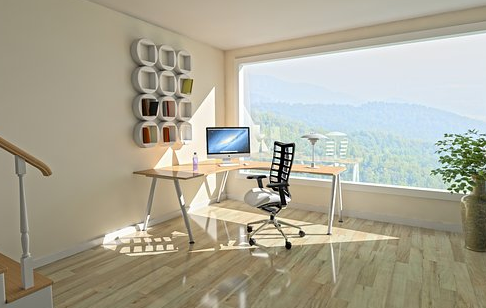
Rethink your space
Visualize an area that can support your working needs. Consider an entirely separate pad that may be close to your office. Divide an existing area of maximize a spare room. Make sure that this is a space that you’re comfortable in.
Choose your furniture
It’s important to invest in pieces that express your style while being practical and functional. Remember the little details: The comfort of a chair, the finish of a desk or the colors of an artwork contribute to a more conductive working environment. Choose items that will put you in a working mood and harness productive energy.
Factors for flooring
Flooring options abound, so it may seem daunting to determine which type fits the bill, both literally and figuratively. Whether replacing a bedroom, tiling a kitchen floor or updating an entire apartment home with beautiful hardwood floors, there are flooring options at every price point. In most cases, you get what you pay for and the least expensive option is not always the best solution. For this reason, it’s critical to think about the life expectancy you have for the flooring as well as the frequency in which your tenants will have the floor cleaned. Beyond costs and life cycle, some of the first considerations will naturally be stain resistance and foot traffic, but you should also think about color trends, installation time and sustainability. For example, the growing demand for sustainable building products has led flooring manufacturers to introduce more ecologically friendly floorcovering options. These materials are made from recycled or low-emitting materials and can help meet high environmental standards and stringent LEED qualification requirements.
Learn new tricks of the trade
Now that you have your space set up, be inspired by the potential of what you can create and the healthy habits that you can develop. To better understand how the world works, nourish your mind and learn different software and services that you can use in the industry that you’re working in or find your first job.
Get your creative flow going
Turn your vision into something tangible. Avail of high-quality printing services. From business cards and posters, to invitations or large format materials, don’t compromise the printed quality of what you worked hard to create.
How To Give Your Hardwood Floors A Perfect Wash?
- Details
- Category: Home improvement advices
Greatest Steam Cleaner For Your Floor Cleaning Issues
- Details
- Category: Home improvement advices
 Cleaning is something which everybody has to take care of. Very careful of what you are doing, you are going to need to put in some effort if you would like to maintain your house clean. Regrettably, keeping some areas of the house clean is not simple.
One thing a lot of people have difficulty with is flooring. Because individuals are walking floors day in and day out, they have a tendency to get cluttered fairly often. It may be challenging for individuals to maintain their flooring how they need them to become.
Listed below are a couple of of the issues of flooring cleaning, and a few of the ways that you can address them.
If a person has a bodily injury or disorder, like a bad back or a twisted ankle, they might not have the ability to perform each the things that they will need to do in order to maintain their floors clean.
For example, tile flooring occasionally have to be cleaned by somebody in their knees and hands. Mops frequently require some dexterity. A little ailment may make cleaning flooring fairly hard.
If you are handling something similar to those, start looking for methods to simplify flooring cleaning. As an instance, you may want to put money into a mop that is simpler to use.
You also need to look at getting addition cleaning assistance should you require it. Implementing cleaners Does not need to mean getting your personal need. It is rather inexpensive to have a person come in and wash your floors once per month.
When Floors Are Not Clean Enough
From time to time, your floors are not clean enough even when you're cleaning them frequently. Your carpeting May seem plump even though you have been vacuuming it each week. Your tile may appear filthy even though you have spend a good deal of time scrubbing it.
Sometimes, the Secret to cleaner-looking flooring is better products. Spend some time reading reviews for a few of the very popular flooring cleaning products available on the market. Attempt to learn if one of these products can allow you to get your flooring as clear as they will need to be.
If you operate over 50 hours each week, you may not have enough opportunity to wash your floors. Attempt to take additional steps to prevent messes. As an instance, you might have people take their shoes off before they enter into the house.
You also need to attempt to simplify cleaning if you can. You do not need to wash for hours. Attempt to dedicate only 15 minutes daily to cleaning.
Cost
The cost is a great starting point. You wish to consider what every one will cost. For your wet floor cleaner , You're not likely to get a great deal of price tag. It should wind up coming for under $20 depending on what you're receiving. Some may even have the ability to get it far more affordable.
Automation
The steam cleaner will be automatic. You will control it naturally, but you're not doing the real motion. You're just pushing it forth and back , However, the remainder has been done indoors. Together with the wet floor cleaner, you're not doing anything, and there's a normal problem with needing to dip it back in the water.Comfort
The wet floor cleaner isn't comfy in any way. There's much too much manual electricity That's likely to enter this which will trouble you. People that are ready to install this electricity after, may not wish to do it all of the time as that will annoy them.The steam cleaner Isn't like that at all and isn't going to supply Issues with relaxation. You'll have the ability to turn it on and understand what you will get when it begins. Here we go and see Such steamers have particular attributes.
Rate
The rate that's being offered will subject to. Let us say that you have a large area To pay since that's critical. You need to be certain that the rate is reasonable and with all the wet floor cleaner you aren't likely to be fast. It will slow you down a whole lot from the long term.
Here is the contrast between both alternatives and you Will immediately begin to know why most men and women prefer the steam cleaner. It simply makes life simpler, and you're placing in cash for something which will provide you a great deal of worth from the long term.
You need to mull over the two to see what you desire because the choices Are there for every one your requirements. When You've decided, You should check at all your choices to determine if you can get both. Start with a suitable search on which each person does and then figure Out it.
For finest operational steam cleaner, there's all-in-one steam and vacuum cleaner you can't miss.
How to Clean Laminate Floors
- Details
- Category: Home improvement advices
For tough areas, such as acrylic, paint, mark, lipstick, ink or blossom, Utilize acetone/nail polish remover onto a clean white cloth.
Then wipe the Area with a damp cloth to remove any remaining residue.
That may scratch or dull the ground finish.
Periodically wash the floor with cleansing products made especially for laminate flooring care.
Don't wash or wet mop the floor with water, oil-soap Detergent or some other liquid cleansing product. This may cause Guarantee.
Avoid using steel wool, abrasive cleansers, or powerful ammoniated or chlorinated form cleaners.
Don't use any sort of buffing or polishing machine in your laminate flooring.
Ice and gently scrape with a plastic scraper, like a charge card. Take care to not scratch the floor surface. Wipe clean using a damp cloth.
A more regular dust-mopping or vacuuming program could be needed in very mountainous regions like a beachside house.
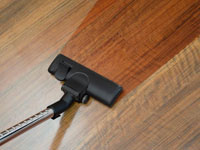 Shaw's R2X Hardsurface cleaner is the best way to care for your laminate floor and will keep it looking good for many years to come. R2X Hardsurface Cleaner must be sprayed on the ground gently and then wiped away It's important to Be aware that in case you re warned your mop heads, then you will need to prevent The usage of any sort of fabric softener in the wash or at the dryer. Fabric softeners contain compounds that May Lead to a dulling build-up Over time in your laminate flooring. Like a fantastic idea is using sterile magnetic-types of pads which bring Dirt and dirt. These ought to be avoided also. Buildup over time which will make your laminate flooring to seem dull. It Is simpler to maintain your laminate appearing amazing using the correct Products than it would be to attempt to reverse damage brought on by a product that's Not appropriate to your flooring kind.
As attractive as It May Look, avoid using homemade cleaners written of Products around the home and keep in mind, never wet mop! As we mentioned At the first bullet point, not ever use a steam cleaner of any type. Steam mops use heated water which forces steam on the surface of the floor. The joints Between the laminate boards lock together well And we operate to make sure they lock together quite nicely, but they're Not watertight. Steam is water. This steam in the steam mop may Lead to damage to your Damage due to These kinds of cleaning systems aren't covered under your floor Guarantee.
Maintain your Laminate flooring looking new.
Substances like petroleum, asphalt or driveway sealer that might otherwise be tracked onto your floor.
Minimize the opportunity of indentations and scratches from heavy objects.
Maintain a Typical indoor relative humidity level between 35 percent and 65% during the year to minimize the organic growth and Contraction of the timber.
Heat (Dry): A humidifier is Suggested to avoid excess Shrinkage due to reduced humidity levels.
Periodically turning on your heating helps to keep humidity During summertime.
Maintain your pets nails trimmed to keep them from scratching your flooring.
Never attempt to slide heavy objects throughout the floor.
Utilize a protective mat to get furniture or chairs with castors.
In Case you get a scratch in your laminate flooring, you can Readily cover it with a kit created especially for laminate. These kinds Of kits are available at most home centers or you could check with your Flooring retailer.
How to clean floors: key suggestions you need to know
- Details
- Category: Home improvement advices
 You've washed the windows, dusted the door frames and plumped the Pillows, today it is time to get down to business. Providing you have worked at the top to bottom (as any accomplished cleaner ought to) cleaning the floors ought to be the final job on your list.
The best way to wash ceramic tiles
Never use a sponge mop
Ceramic tiles are often relatively simple to maintain clean, unless you The problem with them is that they'll push dirt and dirt into grout, which may be extremely tricky to get outside again.
When grout does begin to seem a little filthy, there is something that's sure to receive it glossy again: bleach.
Nobody wants their cabinets cluttered with a huge number of cleaning solutions. Our treasured worldwide cleaner, Flash, not just smells inspired, but will make your flooring sparkling.
The best way to clean linoleum floors
SweepUnless your linoleum has been stuck with all the most powerful glue
Where linoleum is worried, place cleaning is the best choice. Far Like laminate floors, which we will discuss later, maintaining the floor as dry as possible is paramount to prevent water harm .
Carpet-cleaning tips
Pick up pet hair from carpetsIf our cozy best friends did not leave hair everywhere! Eliminate All hint of creatures readily using a rubber glove to raise hair.
Use entry mats where possible & eliminate shoes
It seems clear, but preventing stains on carpeting is much, much Easier than attempting to wash them clean. Invite the remainder of your home to make use of entry mats as a minimal, and eliminate shoes whenever possible.
To remove fresh stains, soda salt and water can be quite helpful.
Castor cups are getting to be more and more common, and it is no wonder. We Pay a lot for our beautiful rugs, it seems such a pity to destroy them with hefty chair legs.
Every homeowner want a kettle of baking soda.
The best way to clean wood flooring
Use neutral flooring cleaners on waxed hardwood flooring
Although they might seem hard-wearing, natural timber flooring must be treated gently. We recommend only using shop-bought goods specifically intended for cleaning hardwood floors. These can shield, instead of hurt wax coatings. Use freshly-brewed tea to wash All-natural wood flooring
Neglect natural wood floors, and it could soon lose it glow. A Fantastic way to revive it's using freshly brewed tea. Dip a fresh, microfiber fabric into the liquid, then wring out until just moist, then wipe floors.
Prevent dragging furniture
If you are lucky enough to have solid wood furniture in Addition to solid Heavy legs can scratch the surface more readily than you would imagine, and harm is difficult to fix when done. Avoid using acidic answers on timber flooring
Avoid using acidic answers on timber floors
Natural timber is really a beautiful thing. If You Would like to keep it this Way, steer clear of acidic solutions like vinegar. As time passes, these can cause your hardwood flooring to become faded and dull.
The best way to clean laminate flooring
Spillages must be mopped up ASAPSpot clean laminate floors
When your laminate flooring do Begin to seem a little worse for wear, You're able to proceed and mop using a slightly dampened microfiber mop.
Eliminate scuffs with this Wonderful cleaning hint
Floor scuffs? A very nifty way to eliminate these is by massaging The tight structures of this ball will rub marks off from the bottoms of shoes readily.
The best way to wash all-natural stone flooring
Use a pH neutral merchandise on natural stone flooringMaintaining the natural beauty of stone floors is simple, providing you do not use harsh substances.
To maintain your rock flooring clean for more, think about employing a stain prevention coating once clean.
Vinyl flooring cleaning hints
Eliminate scuffs using a rubberThis is one of these odd but amazing Hints, and we can not get enough of it! The next time you find a scuff in your vinyl flooring, do not worry - you can rub on the mark off using a rubber. Ensure you Select the Ideal item when cleaning vinyl flooring
Vinyl flooring is among the most hard-wearing flooring options around. In case you've got a seriously awful blot that nothing could budge, bleach might be the solution.
Choose The Right Paving contractors For Your Driveway
- Details
- Category: Home improvement advices
 It's very important that a dependable, competent experts like paving contractor columbus ohio are selected. And, since personal homeowners generally do not have the experience or technical experience that many larger contractors have at their disposal to control the project, these tips may be helpful toward selecting a reliable paving firm and receiving the best possible job.
Pick a contractor known for high quality work and that has an established reputation in the community.
As a client, you must be assured of the following principles requirements in order to know the builders are reliable:
- Listing in the telephone book
- Insurance Policy Certificate
- Job pictures and places
- Warranty/Guarantee
- Reviews
As a client, these really are great but insufficient. Just about Any contractor today can produce these things. The mark of the great versus the top is found by asking more probing questions. Consider such as:
Training of company personnel on application of product - look for evidence that employees are experienced - ask how workers are trained or selected.
Definition of quality for all Services and Products they offer. Do you understand what to Search for to ascertain what makes one job better than another?
Knowledgeable sales employees that provide clear options and benefits of various strategies to repairs.
Communication process with customer.
Customer Service.
Traffic management process.
See if the company provides any value-added client services. What can you anticipate before and/or after the job?
Obtain suggestions from more than 1 contractor and make sure that all are bidding on the same type and quantity of asphalt mix.
Do bids clearly identify the same kind of product/service to be used?
What is estimated time frame to complete the job (e.g. does it require one company longer and lead to greater disturbance to your company)?
Form of equipment used at work?
Scrutinize the cheapest bid very carefully. When it comes to workmanship and materials, you often get what you pay for.
Be sure that the thickness of the asphalt agreed upon is the compacted thickness.
Asphalt is laid by a paving machine and then compacted with a roller (2 inches).
Ask for the contractor's WCB account number, then telephone to confirm It Is Current.
If they don't have one and someone gets hurt, guess who's responsible.
See other paving sites by the paving company and talk with the owners of their jobs.
Insist on a written contract or agreement, along with any guarantee offered by the paving contractor.
When possible, make provision to keep some portion of the payment due the contractor until there's complete satisfaction with the quality of their finished drive.
It Is no secret that some contractors may resort to unscrupulous methods to insure that work is given to them.
Make no mistake, it is happening! We do a good deal of maintenance work and see firsthand some of the paving transgression dedicated within our industry.
Recall that it's all up to you to ensure the contractor is really complying to work specifications. Every contractor will assert they will/are, but to make sure that you get what you pay for, it is recommended that all work be inspected and monitored as it is being performed.
Commercial floors cleaning
- Details
- Category: Home improvement advices
No Matter what business you are in, a stained or dirty rug in your shop or office produces a horrible first impression on a client. Maintaining your carpeting clean and neat is a simple method to create your company seem more reputable. Additionally, routine cleaning of a industrial rug is the ideal method to save the standard and the lifetime of the carpeting. After investing a huge amount on your carpeting, it is important to safeguard this investment.
 Do-it-yourself Commercial carpet steam cleaning using a leasing machine is almost as costly as having our team come in to execute the work for you. Plus, these leasing machines are demonstrated to have less electricity than the skilled ones. They don't eliminate the dirt that's trapped deep beneath the rug's surface. Rather than fighting the leasing cleaning machines simply to attain sub-par outcomes, allow Cleaning Services Cincinnati manage this for you.
Should you possess a daycare center, restaurant, gym, or medical practitioner, the amount of cleanliness at your center can impact your bottom line. Maintaining the floor at a commercial place clean could be more difficult than you might imagine. Clients, employees, and everyone who sets foot on your doorway will drag debris and dirt together with them. A brand-new flooring will look dirty and old before long without industrial flooring cleaning solutions.
Along with routine cleaning solutions, our teams are ready to execute specialized cleaning jobs your facility will require. Throughout our intensive five-week training regime, all our janitorial specialists learns an abundance of abilities, such as commercial carpet cleaning. Our industrial carpet cleaning service is done by the exact same uniformed professionals you're utilized to seeing on your center daily.
Rather than employing a new company whose quality of job you're not acquainted with, just let's know you require commercial carpet cleaning. We can utilize our state-of-the-art equipment to make sure your rugs are left handed and disinfected. This may be added to a normal cleaning program in the interval you define, so you don't ever need to be concerned about it!
Our Floor-cleaning services utilize the best technology, such as HEPA Standard vacuums and hospital-strength cleansing sprays and alternatives.
What's the Cost of Commercial Flooring cleaning?
- Details
- Category: Home improvement advices
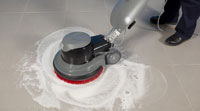 Cleaning service price, with an emphasis on flooring? Do you require occasional floor cleaning using a system but you do not need it each single day, and you are wondering in the event that you're able to discover a service which provides various packages to fit your special needs?
Depending On the floor you've got, you might be seeing dirt and scuffs seem even after a brief time period, and it is particularly true when you've got a large space and a great deal of staff. Minimizing flooring imperfections is not only vital for the interest of sanitation and aesthetics -- in addition, it can be a security issue. Flooring which are too slippery when wet, for example, can cause you a suit.
Hiring An expert flooring cleaning service takes the strain out of the sometimes complex and energy-consuming undertaking. If you are thinking about hiring a professional cleaning service, then keep reading to learn more.
Tough Flooring
On tough floors, wear and tear may also look like dirt, so it is very important to keep them tidy in the sake of looks. Your floor will require special care based on the substance and the dimensions of the region.
Floor Cleaning strategies will change based on if your flooring are manufactured of vinyl, tile, terrazzo, marble, or a different kind of substance. Professional cleaners will understand just how to wash and treat unique kinds of flooring.
Tile They then might also require various kinds of care for example using a distinctive protectant to guarantee longevity. This type of high quality shield and cleaning techniques operate far better than anything that you might do by hand and also may get even the toughest pieces and bits out of tiled regions.
For Bigger floors made from linoleum or vinyl, you will also need to think about scheduling routine buffing and waxing. Many hard flooring, for example, can be ruined by brooms that's the reason why specific equipment is vital to keep them tidy.
Wood Flooring can be hard and delicate also, and cleaners will always have a particular hardwood flooring cleaning program.
Particular Equipment
Professional cleaners can come equipped with flooring Cleaning machines that are crucial, especially in regards to big spaces. They'll utilize industrial floor scrubbers to maintain your flooring both well-cleaned and at like-new condition. These machines may cover considerable amounts of space in brief intervals and so should be considered more than a"mop-and-bucket" kind of cleaning for bigger buildings.They Will also have choices for carpet cleaning which are a lot more substantial and powerful than the usual single-hand vacuum cleaner. These powerful devices are vital for reducing not just dirt but additionally allergens in mountainous regions.
Floor Cleaning Prices
The Prices of flooring cleaning will be based on the size of the region, the frequency it is required, along with the technical equipment required. Normally, if you get in touch with a professional cleaning firm, they will provide the choice of waxing, cleaning, sealing, and buffing. The price will be dependent on square footage and all of the providers selected.
Cleaning services montgomery is a top-rated cleaning business that's dedicated to ensuring that the maximum quality cleaning and maintenance criteria in regards to maintaining your flooring in tip-top form.
Benefits of Commercial Floor Cleaning
- Details
- Category: Home improvement advices
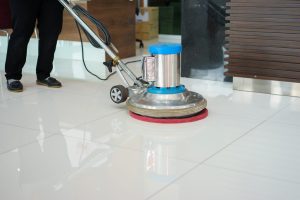 Whether your Place is open to People or Simply to Workers, a Well-maintained floor is essential. Maintaining the floor in tip-top shape can be a great deal more complex than just cleaning and vacuuming. You are going to want expert attention to guarantee the flooring in your centre are clean and secure at all times.
In commercial cleaning Durham NC, we have been successfully cleaning and Keeping all kinds of flooring since 1976. Regardless of what kinds of flooring you've got on your place, our staff knows the appropriate care needed.
A thriving company starts from the bottom up. Is your place Open to the general public? Prospective customers will judge your company from the look of your flooring.
If the flooring of your company are filthy and in disarray, the Reputation of your company will probably suffer. Clients and visitors will produce a negative opinion of your own services from their first measure. After all, even if the floors are not clean, what additional minor details may be ignored?
Debris may lead to slips, falls and other possible accidents. In the event the state of your flooring causes someone to become inadvertently hurt, you may even be legally accountable.
Clean floors are not only for clients. Whether you operate in an Folks can not perform their everyday responsibilities should they need to continuously watch where they step.
Your Own Floor Cleaning Pros
Our Floor Cleaning Methods
Home remodeling and Flooring Installation Tips
- Details
- Category: Home improvement advices
If you like home remodeling jobs, there are forms of floors you May want to try out installing. Bring along a photograph or two of the area where you're installing flooring and you are going to receive decent advice about your job from our home remodeling pittsburgh pa experts.
 In your mind. To begin with, your carpet installers will require a very clear route for carrying you fresh padding and carpeting to its final site. Beyond that, it'll be clear to you the room becoming the new carpeting has to be entirely empty, dry, and swept clean. We can assist you with removing the old carpeting, should you desire. Wall trim pieces might necessitate elimination, which in turn may require a few paint touch-up. We will be cautious, but you ought to be well prepared. In the event the brand new carpet changes the entire flooring elevation, door clearance might have to be corrected. On setup day, plan to become home so you are able to answer any queries that come up. Following setup, there might be odors linked to the carpet setup. Strategy for great venting for a three or four immediately after the installation. Shedding of a few fibers is to be anticipated, therefore expect to eliminate those by vacuum cleaning a little more often, initially. If wrinkles seem, re-stretching might be deemed necessary. Your installer will offer different strategies and information, and answer queries.
Installing hardwood demands true experience and technical tools. If You have these, congrats. If you do not, fear notwe have them in spades. We'll sort that out to you. A pre-installation walk-through with your installer can help make certain you're ready for the big moment. Hardwood has to be acclimated into the surroundings to which it is being set up for four or five times, which means you're going to need space available ahead of the actual setup. Your installer can allow you to sort out this through your pre-installation walk-through. Likewise, the topics of disposal and removal of old floors, trim, sub floor prep, and doorway clearance could be addressed throughout the walk-through. On setup day, plan to become home. Have a strategy for keeping kids and pets well clear of their job locations. Anticipate sound. Have the space totally clear of furniture, in accordance with your conversation with the installer beforehand. Strategy to offer venting to your new floor space, post-installation, to assist clear relevant odors and dust.
If you really like hands-on house remodeling jobs, you may Look at installing laminate floors. We are not advocating this as a excellent do-it-yourself job for the fantastic majority of homeowners. Each producer will have specific installation directions, which you have to adhere to so as to keep the warranty in force. However, for any laminate flooring installation, here are a couple things to remember: Laminate flooring installation requires careful attention . Moldings cover the perimeter difference that's allowed for the floor to expand, and they make the transition into adjoining floors. Most producers provide matching moldings for many colors and styles of laminate floors. Laminate moldings generally sit slightly higher compared to laminate floor itself.
T-Molding is widely utilized in doors to combine two laminate flooring in adjoining chambers. All these are recommended when creating transitions out of a laminate floor to another floor that's roughly the exact same height. We advise that you work closely together to become knowledgeable about the moldings and transition bits which are going to be utilised in your property.
Laminate flooring typically receives a few layers of material beneath the subfloor. Some laminate floor planks possess the cushioning affixed to every plank. Upon conclusion, the last elevation of this new flooring will require alterations in doorways, so that they open and shut correctly. In case you've read this far, you've probably determined your wisest strategy would be to allow a professional installer do the job. Your laminate floors might want to get acclimated to the surroundings to which it is being set up for four or five times, which means you're going to want a space available ahead of the actual installation. The scope for appropriate humidity is 45% to 65 percent. Your installer can allow you to sort out this through your pre-installation walk-through. Likewise, the topics of disposal and removal of old floors, trim, sub floor prep, and doorway clearance could be addressed throughout the walk-through. On setup day, plan to become home. Have a strategy for keeping kids and pets well clear of their job locations. Anticipate sound. Have the space totally clear of furniture, in accordance with your conversation with the installer beforehand. Strategy to offer venting to your new floor space, post-installation, to assist clear relevant odors and dust.
Of the many do-it-yourself floor covering installation challenges, tile will be for the innovative DIYer or a specialist. Tile requires quite specific sub floor prep. Just like the other kinds of flooring covering provided by Macco's Floor Covering Center, we've got well-trained, proficient and expert contractors to your own project. You may count on these to generate a gorgeous finished job, and also to be cautious and respectful of your house and house in the procedure. Many times, tile installations need specialization trim pieces. Your Macco's Floor Covering Center partner can allow you to identify, and define these things, according to your own project. They'll also assist you in making your grout choice, consulting our design professionals that will assist you visualize the final impact of your own choices. The matters of disposal and removal of old floors, trim, sub floor prep, and doorway clearance could be addressed throughout the walk-through. On setup day, plan to become home. Have a strategy for keeping kids and pets well clear of their job locations. Expect dust and noise. Have the space totally clear of furniture, in accordance with your conversation with the installer beforehand. Strategy to offer venting to your new floor space, post-installation, to assist clear relevant odors and dust.
In the end, a ray of sun for do-it-yourself fans! You can Really put in your luxury vinyl floors, in case you've got a moderate Degree of DIY ability, and a couple of technical tools. Some manufacturers of luxury Vinyl planks use a sort of glue that's forgiving to get a number Of hours...letting you undo and redo in case you have not affixed the boards To another only right on your very first effort. non-grouted installation. One isn't inherently superior to another. They seem different, and your taste is the very best guide. Our layout Team is able to help you imagine the gap. Each producer will have particular requirements for planning the Subfloor, etc through installment. Make Sure You comply with these If you're having the floors installed by an expert, a You're ready for the big moment. The matters of elimination and disposal of Old floors, trim, sub floor prep, and doorway clearance may be Addressed through the walk-through. On setup day, plan to become home. Have a strategy for maintaining kids And pets well clear of their job locations. Anticipate sound. Have the space Installer beforehand. Strategy to Offer ventilation to your new flooring Place, post-installation, to assist clear relevant odors.
The best way to clean hardwood floors
- Details
- Category: Home improvement advices
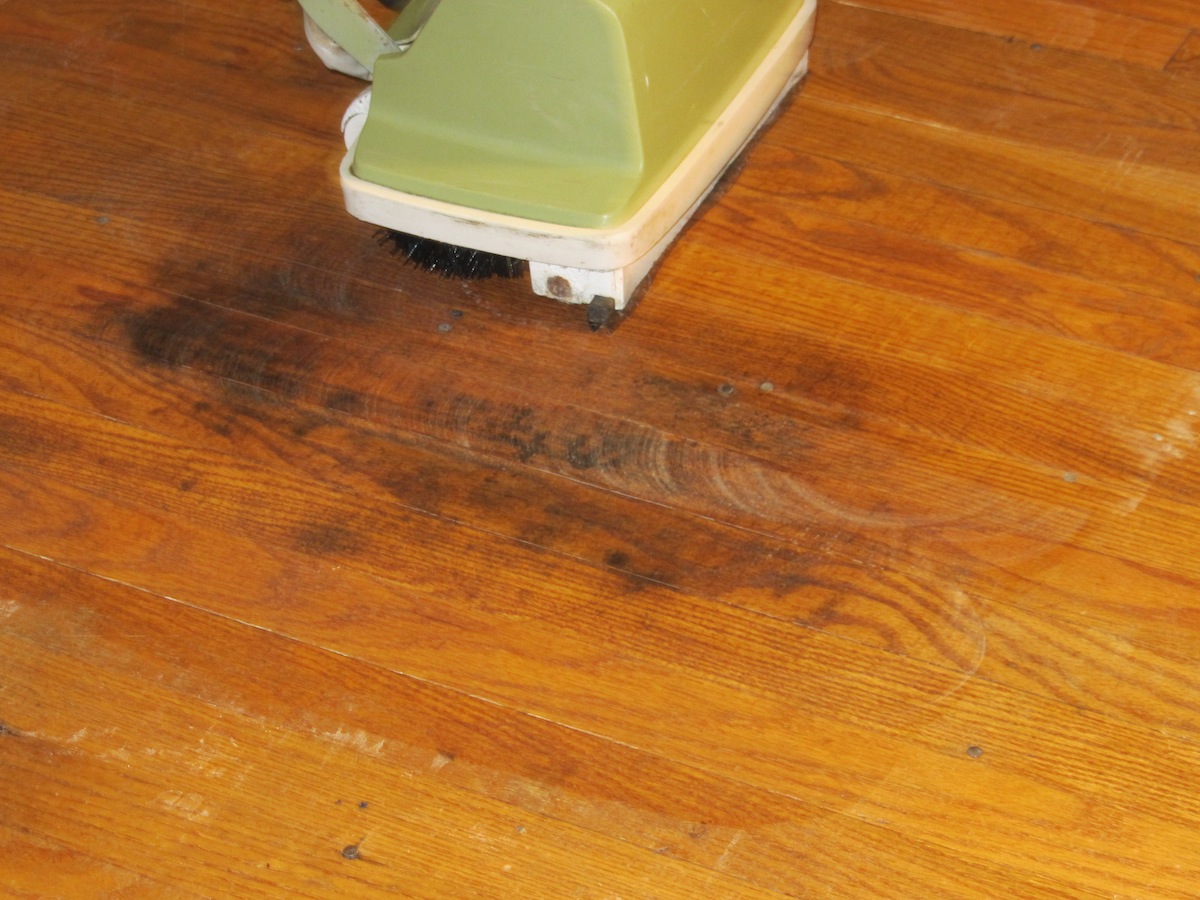
Tips for floors green cleaning
- Details
- Category: Home improvement advices
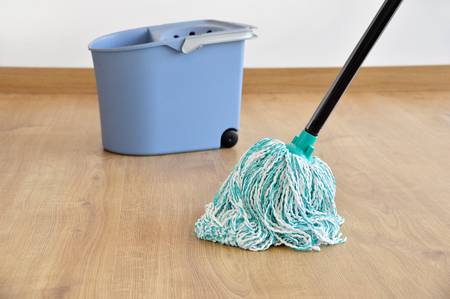
Floors cleaning strategies
- Details
- Category: Home improvement advices
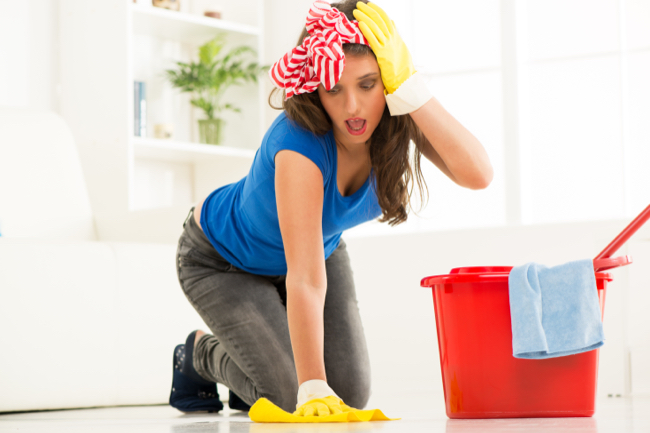
Hints to clean your laminate floors
- Details
- Category: Home improvement advices
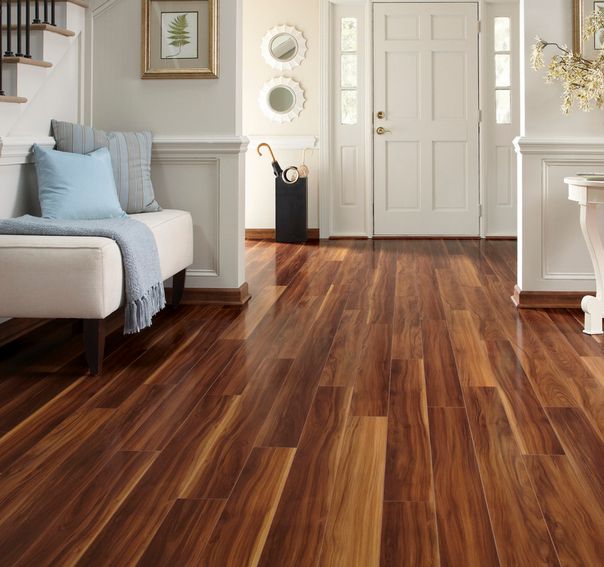
How to clean different types of floor?
- Details
- Category: Home improvement advices
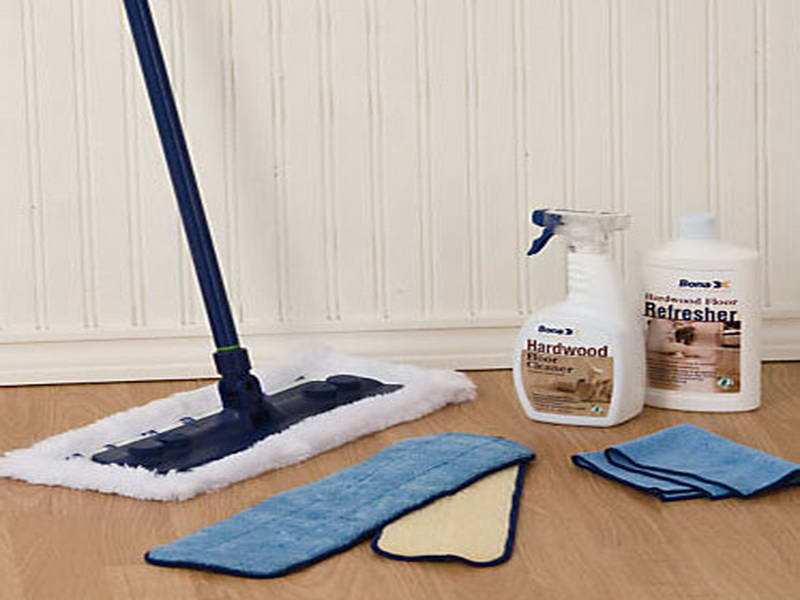
What you should know about hardwood floors cleaning?
- Details
- Category: Home improvement advices
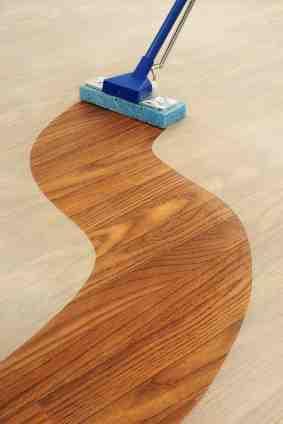
What to do with bed bugs in hardwood floors?
- Details
- Category: Home improvement advices

Fence installation suggestions
- Details
- Category: Home improvement advices
Kitchen renovation suggestions
- Details
- Category: Home improvement advices